Buying guide · 6 min read
Water Testing: Home Kits vs Certified Labs (And When Each Makes Sense)
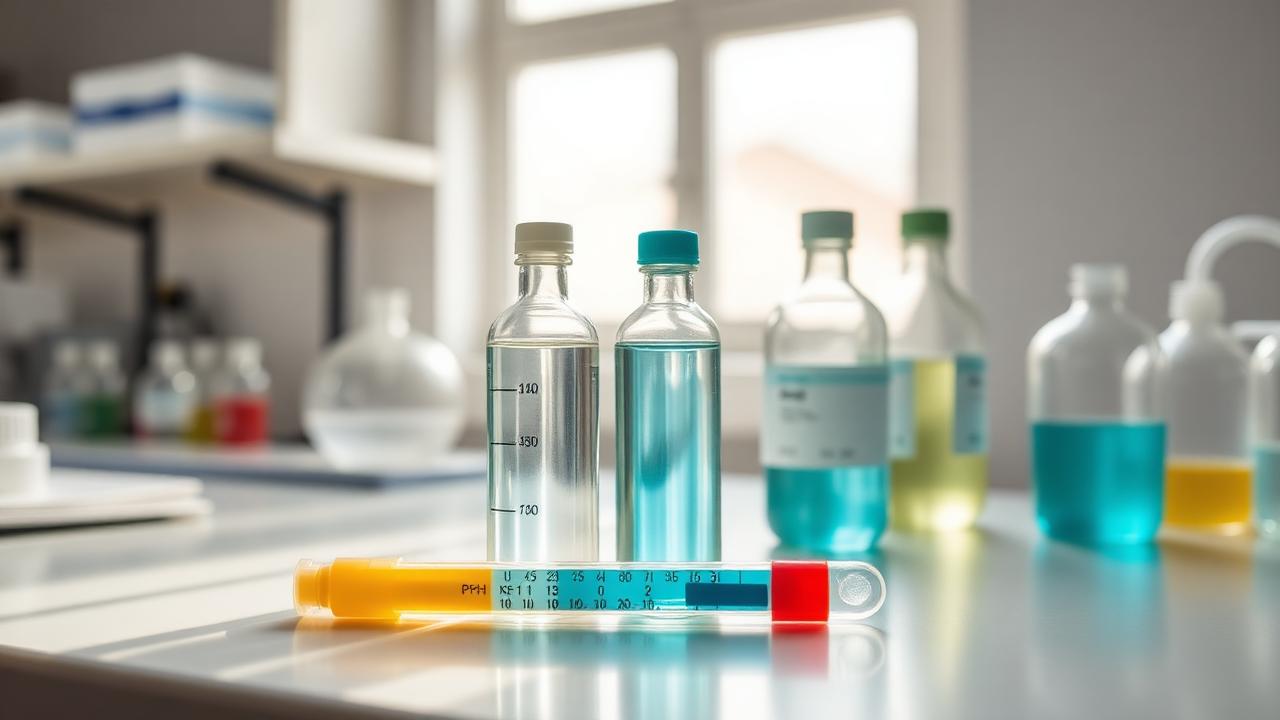
Before you spend on a whole-house system, you need to know what is actually in your water. The catch: there are at least four kinds of tests, they cost from $5 to $300, and most homeowners pick the wrong one. Here is how to match the test to the question you are trying to answer.
Free option: your city's annual water quality report
If you are on a municipal utility, your provider is required to publish a Consumer Confidence Report (CCR) every July. It lists what they detected the previous year against EPA legal limits.
This is the right starting point for any city-water home. The CCR will tell you whether to worry about chloramine, disinfection byproducts, lead in the service line, or PFAS. It will not tell you what is happening inside your home's pipes (lead solder, old galvanized) so still run a tap-side test for lead if your house was built before 1986.
Cheap home strips: useful for hardness, not much else
A $10 pack of test strips can tell you how hard your water is, the approximate chlorine level, and rough pH. That is enough to size a softener for an obvious hardness problem.
Strips cannot reliably detect lead, PFAS, arsenic, nitrate, or bacteria. Do not buy a treatment system off a strip result for anything other than hardness.
Mail-in kits: good middle ground for wells
Tap Score, MyTapScore, and SimpleLab offer mail-in kits in the $150 to $300 range that cover 30 to 100 analytes including metals, bacteria, nitrate, and (on the premium panels) PFAS. The kit ships you bottles, you ship them back with a cold pack, results arrive in 10 to 14 days.
For a private well, this is the right baseline test before buying any system. For city water, it is overkill unless your CCR flagged something specific.
Certified state lab: required for some questions
If you need a result that holds up legally (real estate transaction, complaint to a landlord, well-permit renewal) you need a state-certified lab. Find yours through the EPA's Safe Drinking Water Hotline or your state environmental agency.
State labs typically charge per analyte, so the bill adds up fast. Use them for the specific contaminants you have a reason to suspect, not as a fishing expedition.
What to do with the result
Match the flagged contaminants to a treatment technology: carbon for chlorine and most organics, softener for hardness, iron filter for iron and sulfur, UV for bacteria, and certified POU reverse osmosis at the kitchen tap for lead, PFAS, nitrate, and arsenic.
If your test came back clean, that is a real result. You do not need a whole-house system, and you can ignore most of the marketing.
Recommended products that solve this
Here are the systems that match this guide. We do not show prices because manufacturers change them often, the buttons open the brand's current pricing in a new tab.
Top pick
Aquasana
Aquasana OptimH2O RO (under-sink)
Point-of-use reverse osmosis
Once your test flags lead, PFAS, nitrate or arsenic, this certified RO unit at the kitchen tap is the standard fix.
Also consider
SpringWell
SpringWell CF1 Whole House Filter
Whole-house carbon filter

If the test flagged chlorine, chloramine, taste or odor on a city supply, this whole-house catalytic carbon filter is the default upgrade.
Keep reading
More buying guides
-
City Water vs Well Water: Which Whole House System Do You Need?
7 min read
-
Salt-Based vs Salt-Free Softeners: The Honest Comparison
6 min read
-
Sizing a Whole House Water Filter: Flow, Fixtures, and Tank Size
5 min read
-
Iron Filters for Well Water: Air Injection vs Manganese Greensand
7 min read
-
UV Purifiers for Well Water: When You Need One and What to Buy
6 min read