Buying guide · 6 min read
UV Purifiers for Well Water: When You Need One and What to Buy
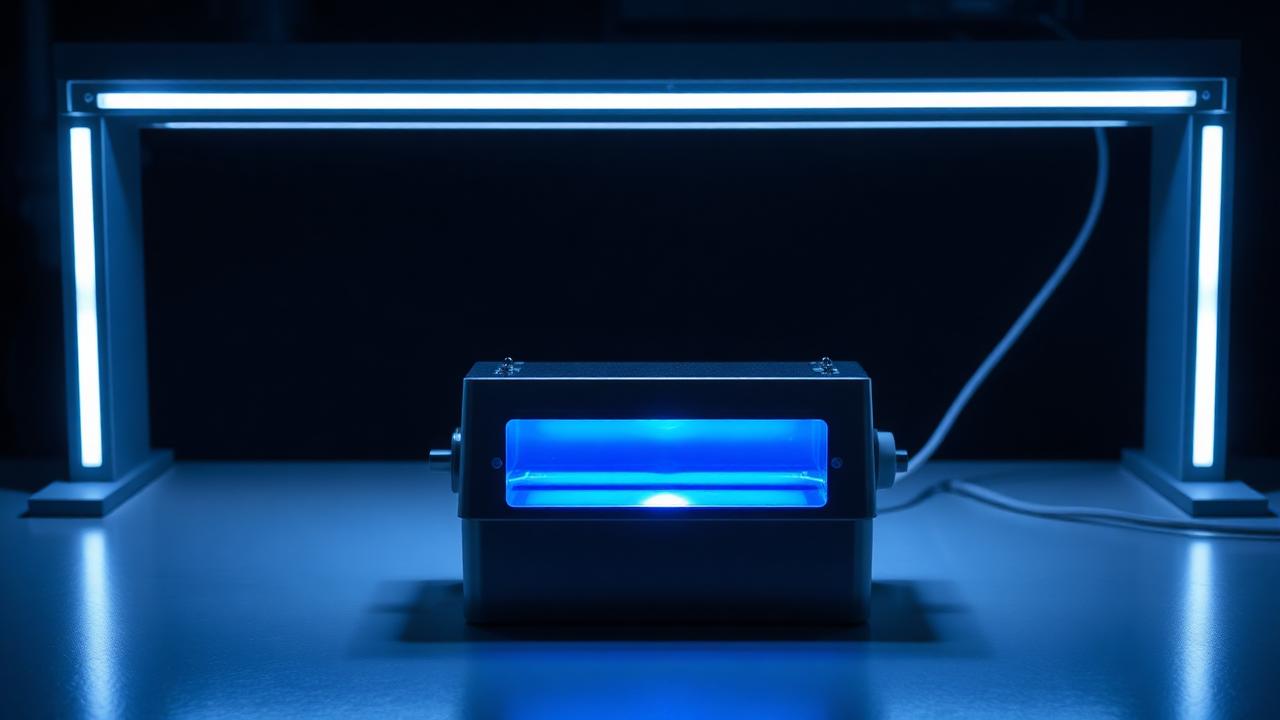
If your private well tests positive for total coliform or E. coli, you do not need a fancier filter, you need a disinfection step. UV light at 254 nanometers inactivates bacteria, viruses, and protozoa (including Giardia and Cryptosporidium) without chemicals and without changing the taste of the water. It is the default disinfection method for private wells in the U.S. today.
When UV makes sense
Add UV if any of these are true: your lab test flagged total coliform or E. coli, your well is shallow (under 50 feet), it is near a septic system or agricultural runoff, or surface water can enter the casing after heavy rain.
UV does not remove anything (no metals, no chemicals, no taste). It only disinfects. If your water is also cloudy, hard, or full of iron, the UV unit goes LAST in the train, after sediment, iron, and softener stages, because clarity is what lets the UV light reach every microbe.
Class A vs Class B (and why it matters for wells)
Class A units are certified to NSF/ANSI 55 to treat microbiologically unsafe water (40 mJ/cm² dose at the listed flow rate). This is what you want for a contaminated well. Class B is for already-safe water as a polish step, not for disinfecting a positive E. coli result.
Look for the NSF 55 Class A seal on the box. Brand-name systems from SpringWell, Aquasana, and Viqua all carry it.
Sizing: flow rate is everything
UV dose drops fast as flow rate climbs. A unit rated for 12 gpm at Class A may only deliver Class B disinfection at 18 gpm.
Count your simultaneous fixtures. A 3-bath home with a dishwasher and laundry running at the same time needs 12 to 15 gpm. Pick a unit whose Class A rating sits above your peak demand, not at it.
Maintenance: lamp, sleeve, alarm
Replace the UV lamp annually, even if it still glows. Output drops below the certified dose long before the lamp burns out.
Clean the quartz sleeve once a year (or more often if your water has any hardness or iron coating the glass), and confirm the UV intensity alarm is wired and audible. The alarm is what tells you the unit has stopped disinfecting.
Recommended products that solve this
Here are the systems that match this guide. We do not show prices because manufacturers change them often, the buttons open the brand's current pricing in a new tab.
Top pick
SpringWell
SpringWell UV Water Purification
UV disinfection

NSF 55 Class A whole-house UV at 30 mJ/cm², sized up to 16 gpm for typical 3 to 4 bathroom homes.
Also consider
SpringWell
SpringWell WS Well Water Filter
Well water (air injection)

Pair the UV with this air-injection iron and sediment system upstream, clear water is what lets UV actually disinfect.
Keep reading
More buying guides
-
City Water vs Well Water: Which Whole House System Do You Need?
7 min read
-
Salt-Based vs Salt-Free Softeners: The Honest Comparison
6 min read
-
Sizing a Whole House Water Filter: Flow, Fixtures, and Tank Size
5 min read
-
Iron Filters for Well Water: Air Injection vs Manganese Greensand
7 min read
-
Water Testing: Home Kits vs Certified Labs (And When Each Makes Sense)
6 min read