Learn · 4 min read
Do I Need a Water Softener?
Hardness is measured in grains per gallon (gpg). Anything under 3 gpg is soft, 3 to 7 is moderately hard, 7 to 10 is hard, and over 10 gpg is very hard. About 85% of U.S. homes are in the hard or very hard range, especially across the Midwest, Texas, Florida, and the Mountain West.
Signs that you have a hardness problem: white scale on shower glass and faucets, soap that does not lather, stiff laundry, water heater that runs out of hot water faster every year (sediment is insulating the bottom of the tank), and dishwasher spots even with rinse aid.
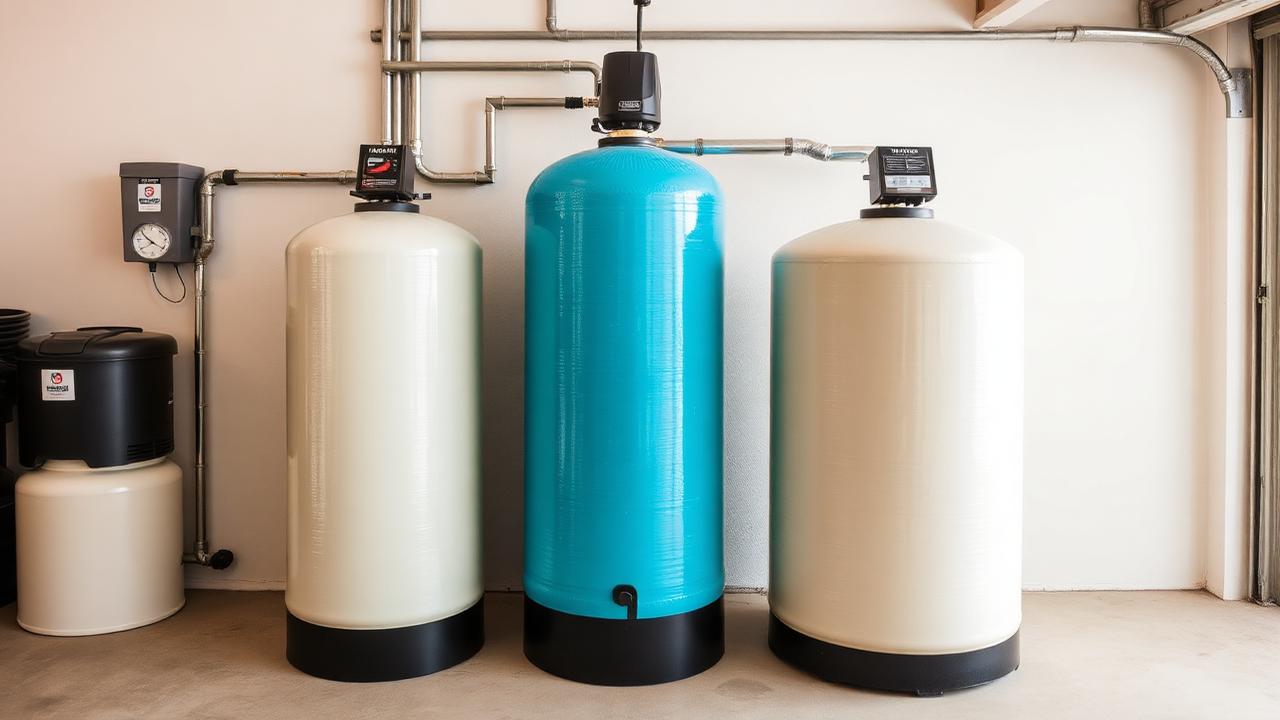
A salt-based ion-exchange softener swaps the calcium and magnesium ions in your water for sodium ions. Scale stops forming, soap lathers, fixtures stop spotting, and water heaters typically last 30 to 40% longer.
If you do not want to add sodium to your water or you cannot install a brine tank (apartments, some HOAs), a salt-free TAC conditioner does not soften the water but does change the calcium so it cannot stick to surfaces. It is a real product, not a scam, but it is a scale-control solution rather than a softening one.
If your hardness test reads under 5 gpg and you have no scale complaints, you do not need either system. Spend the money on a carbon filter for taste instead.
Recommended products that solve this
If this is your situation, these are the systems we recommend. Buttons open the brand's current pricing in a new tab.
Top pick
SoftPro (QWT)
SoftPro Elite Water Softener
Salt-based softener
Salt-based ion-exchange softener that actually removes hardness, our top pick for hard-water homes.
Also consider
SpringWell
SpringWell FutureSoft FS1 (Salt-Free)
Salt-free conditioner (TAC)

Salt-free TAC scale-control alternative for apartments, HOAs, or anyone who cannot add sodium or install a brine tank.
Frequently asked questions
- At what hardness level do I need a softener?
- Above 7 grains per gallon is where scale damage and soap-scum complaints become noticeable. Below 5 gpg most homes do fine without one.
- Does softened water taste salty?
- No. Ion exchange swaps calcium and magnesium for a small amount of sodium, about 30 mg per 8 oz glass at 10 gpg hardness, which is well below the taste threshold.
- Is salt-free conditioning the same as softening?
- No. Salt-free TAC systems change the calcium so it cannot stick to surfaces, but the hardness is still chemically present. Soap will lather better than untreated water but not as well as truly softened water.
- How much salt does a softener use?
- A typical family of four uses one 40 lb bag per month, or about $5 to $15 in salt depending on type and region.